gmarchitects
11225 – thermal design & Environmental Control
AT1
ANALYSIS OF THE HOUSE AND SITE YOU LIVE IN
– Parts A and B are undertaken as an individual, 4-6 A3s
* see brief for details
PART A. SITE AND CLIMATE ANALYSIS (Individual)
document and analyse the dwelling and site you live in
Climate and Microclimate as it affects the house and site – inside and outside
Sun path and solar access to the site and internal spaces

Wind patterns around the site and air-flow within
Seasonal changes on account of temperatures, relative humidity and weather patterns
influencing factors to consider
– House design, orientation, layout, position of openings, construction and materials
– Views into and from the site and the different spaces within the house
– Noise and other sources of pollution
– Impacts of existing and adjacent buildings and materiality of the site (include overshadowing, reflectivity, etc.)
– Contours, drainage, water/landscape features
– Temporal changes in site conditions
– Pedestrian and vehicular access and circulation
– Any other aspects you consider to be relevant
*see brief for details
PART B EXPERIENTIAL AND ENVIRONMENTAL MAPPING (individual)
Assess the thermal, experiential and poetic ecological opportunities of the site and building
observe, model, survey, self assess etc
Understand the site under varying conditions
– clear vs. overcast conditions
– morning vs. afternoon vs night
– calm vs. windy day
– other?
what are the moods and qualities of these varying conditions?
– pleasant/unpleasant
– hot/cold
– dark/bright
– exposed
– claustrophobic
– other?
does this change throughout the day?
Seek feedback from the users
– questionaire on canvas
– how do others experience the space? note reasons if possible
Observe patterns of occupants
– consider occupant preferences
– consider other behavioural adaptations
noteworthy considerations?
– did the site become something different under special circumstances such as during Covid, Heat Waves, Extreme Cold, or Bush Fires, Floods or extreme rain?
example
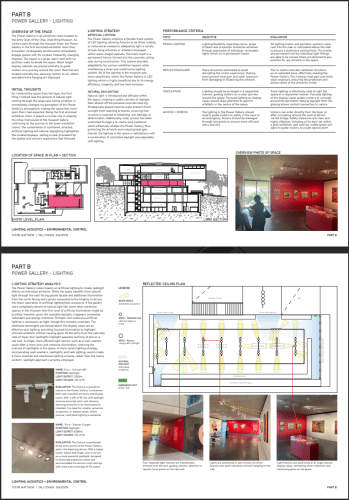

COMPARATIVE ANALYSIS AND DESIGN STRATEGY
– Parts C and D are undertaken as a team of two, 4-6 A3s
* see brief for details
PART C. COMPARATIVE ANALYSIS – a tale of two houses (GROUP)
comparative diagrammatic and annotated analysis of two homes
– What aspects works well
– What do not – And why?
– Is it Climate, Site Effects or related to Microclimate?
– Is it Behavioural (how the house is used)?
– Is it the Layout and or Orientation?
– Is it Materials, or other aspects of Design?
– other?
*see brief for details
PART D DESIGN STRATEGY for the EXISTING HOUSE (group)
design ONE intervention for one house with NO adjustable parts
transform the DWELLING/SITE by responding to microclimatic conditions (relating to Sun Wind Light Warmth)
Provide the rationale for the:
– intervention
– siting
– performance criteria
– design of the intervention
– evidence for its improved performance
submission requirements
– digital portfolio
– 3 minute presentation
– video flythrough or concept model
* see brief for details
PART C. COMPARATIVE ANALYSIS – a tale of two houses (GROUP)
comparative diagrammatic and annotated analysis of two homes
– What aspects works well
– What do not – And why?
– Is it Climate, Site Effects or related to Microclimate?
– Is it Behavioural (how the house is used)?
– Is it the Layout and or Orientation?
– Is it Materials, or other aspects of Design?
– other?
*see brief for details
PART D DESIGN STRATEGY for the EXISTING HOUSE (group)
design ONE intervention for one house with NO adjustable parts
transform the DWELLING/SITE by responding to microclimatic conditions (relating to Sun Wind Light Warmth)
Provide the rationale for the:
– intervention
– siting
– performance criteria
– design of the intervention
– evidence for its improved performance

we acknowledge the Traditional Owners and Custodians of the lands on which we work and pay our respects to Indigenous Elders past, present and emerging. Sovereignty has never been ceded. It always was and always will be, Aboriginal land. We recognise the past atrocities against Aboriginal and Torres Strait Islander peoples of this land and that Australia was founded on the genocide and dispossession of First Nations people. We acknowledge that colonial structures and policies remain in place today and recognise the ongoing struggles of First Nations people in dismantling those structures. The struggle to seek justice, to remember and address this nation’s past is ongoing and is a necessary requirement for individual and collective healing process. We support the Uluru Statement from the Heart to achieve justice, recognition and respect for First Nations people and a referendum to enshrine a First Nations Voice in the Constitution. We accept the invitation contained in the Statement to walk together with Aboriginal and Torres Strait Islander peoples in a movement of the Australian people for a better future. CREDIT: acij.org.au